
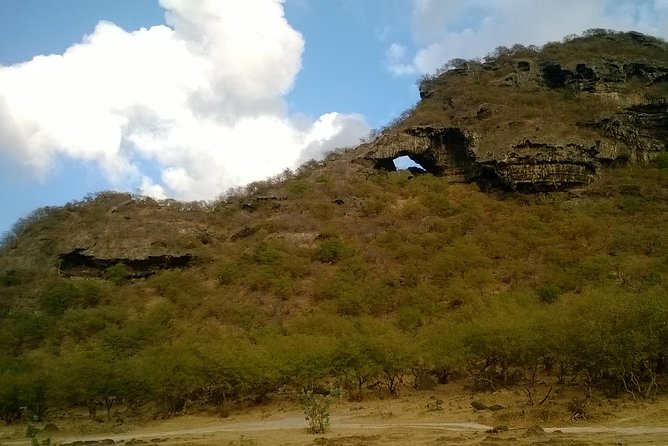
Reviewed · SAFARI
Jebel Safari – Tour della montagna
The best part of this Salalah day trip is its range. In one long outing, you move from a traditional governor’s house and an ancient spice port to the high country of Jebel Samhan, then down through a baobab-filled wadi to Mirbat’s fishing harbor. I especially like the private format for up to four people and the way the route joins history, geology, plants, and village life.
I also like the picnic stop at the high viewpoint near the Arabian leopard reserve and the chance to see Dhofar’s unusual desert rose, dragon blood trees, and baobabs. The main drawback is the pace: eight hours covers a lot of ground, so this suits you best if you want variety rather than a slow day at one site.
Key points to know before you book
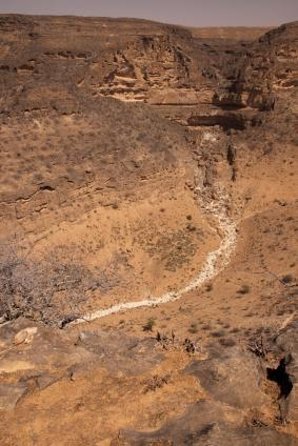
- Taqa opens the day with local history: Visit the old governor’s house and see the interior of a traditional Omani home.
- Khor Rori and Sumhurram add serious ancient context: The port once helped control the Indian Ocean spice trade and is a UNESCO site.
- Tawi Ateer brings the geology: The Bird’s Well sinkhole and the larger sinkhole offer dramatic views and unusual desert plants.
- Jebel Samhan provides the high point: The route reaches a panoramic area where the Arabian leopard reserve begins.
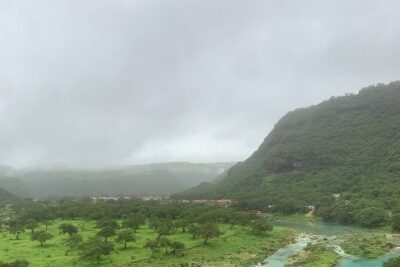
- Wadi Hinna changes the scenery again: Look for its baobab forest while descending from the mountains.
- Mirbat finishes with living coastal culture: Traditional Indian Ocean dhows are still linked to the town’s fishing life.
From Taqa’s old house to the Khor Rori lagoon
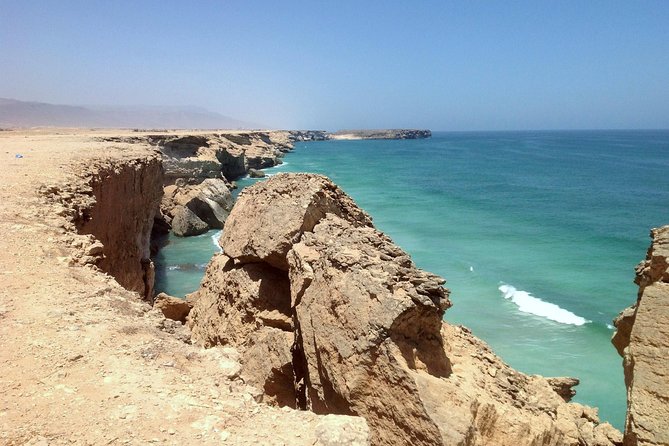
The morning begins near Salalah with a drive to Taqa, a useful first stop because it gives the day a human scale before the mountain roads begin. You enter the old house of the city’s governor and see the inside of a traditional Omani home. This is not just a quick photo stop. It helps you picture how authority, family life, and local architecture once fit together.
The house is paired with Khor Rori, a broad lagoon with a very different feel. Water and dry country meet here, and the stop gives you a chance to see one of Dhofar’s most important coastal settings. You should expect a short visit rather than a long nature walk, since many other sites still lie ahead.
The nearby ruins of Sumhurram provide the historical centerpiece of the morning. This was a port linked to the kingdom of Hadramout and used to control the spice trade across the Indian Ocean. Its importance comes from its position: ships could connect southern Arabia with wider sea routes, while goods moved through the port and into the region.
Sumhurram also carries UNESCO recognition, which tells you that this is more than a pleasant ruin beside the water. The remains connect Dhofar to long-distance trade and to the maritime world beyond Oman. I like this stop because it gives the rest of the journey some context. You are not simply driving to a viewpoint. You are crossing a region shaped by sea routes, mountain passes, and trade.
Other 4x4 safari days out of Salalah:
- East Salalah Mountain Safari, Wadi Darbat, Beach, Camels, Dunes
★ 5.0 · 206 reviews - Mountain Safari Private Tour
★ 5.0 · 105 reviews - Sunset Desert Safari Salalah Tour in Rub Al Khali – Empty Quarter
★ 5.0 · 91 reviews
Tawi Ateer and the dramatic sinkholes of Jebel Samhan
After the coastal stops, the road turns toward the high mountains. The tour describes this as a panoramic route through the highest mountain area in the region, and the views become one of the main reasons to choose the full-day outing.
Tawi Ateer, also called the Bird’s Well, is the first major geological stop. A sinkhole creates a strong contrast with the broad mountain setting around it. The name hints at the site’s association with birds, while the depth and shape of the opening make it a memorable place to pause.
You then reach the second large sinkhole, described as the second largest on earth. That is an impressive claim, and the visit is valuable even if you are mainly interested in the surrounding plants and rock. The area is known for desert rose and dragon blood trees, two plants that give the dry mountain country a character you will not see around Salalah’s coastal plain.
The route is not presented as a technical trek. One account of a related Jebel Samhan mountain day describes the walking as easy, with time for several stops and a local-style lunch. Still, you should wear shoes that handle uneven ground and be ready for a day spent getting in and out of the vehicle.
The mountain section is best for you if you enjoy stopping often to look, photograph, and ask questions. It is less suitable if you want a long, continuous hike. The value comes from seeing several different features in one outing rather than spending hours on a single trail.
The high viewpoint beside the Arabian leopard reserve
The tour continues to the highest panoramic point, where the national reserve of the Arabian leopard begins. The reserve reference adds weight to the view, but you should not book this as a wildlife-sighting trip. The information provided promises the reserve area and the panorama, not a leopard encounter.
This is also where you enjoy a picnic lunch. A meal with a view can make the long drive feel more worthwhile, and the stop gives you a proper pause after the coastal sites and sinkholes. The details do not specify the exact menu or food arrangements, so check what is supplied when you book if dietary needs matter to you.
I would give this viewpoint time to breathe. The route has many named stops, but the high country is the place where you can simply look across Dhofar and understand its shape. The coast, mountains, dry rock, and valleys form a connected picture here.
One practical point matters: the experience lasts about eight hours. That means the scenic stops are likely to be measured in minutes rather than hours. Your private group can make the day easier to manage because you are not sharing every pause with a large coach party, but the guide still has a long route to complete.
Wadi Hinna and the baobab forest
The return route descends through Wadi Hinna. This change in elevation gives the day a fresh chapter rather than sending you straight back to Salalah by the same type of road.
The baobab forest is the reason to pay attention here. Baobabs are instantly recognizable for their thick trunks and unusual form, and seeing them in Dhofar adds a plant-focused stop to a day that has already included desert rose and dragon blood trees.
Wadi Hinna works well as a contrast to Jebel Samhan. At the high viewpoint, the attraction is distance and open mountain views. In the wadi, the interest is closer to the ground and tied to individual trees. You may find the pace easier here because the stop is a chance to appreciate one distinct natural feature after a string of panoramic viewpoints.
The supplied information does not give a walking distance or trail length. Treat the baobab visit as a scenic stop rather than planning a separate forest hike. If you want a long walk, ask the operator what time is available on your chosen date.
Same base, a different sort of day:
- Salalah: Sunset Desert Safari – Rub Al Khali – Empty Quarter
★ 4.6 · 79 reviews - West Salalah Tour – Caribbean of Orient – Fazayah Beach with City
★ 5.0 · 74 reviews - Salalah City Tour: Discover the Best of Oman’s Coastal Gem
★ 4.8 · 58 reviews - Sunset desert safari tour in Salalah(private tour)
★ 5.0 · 58 reviews
Mirbat’s dhows and the Indian Ocean connection
Before returning to Salalah, the tour reaches Mirbat. This coastal town adds a living, working side to the ancient story you encountered at Sumhurram.
Fishermen still sail traditional boats called dhows, vessels tied to the Indian Ocean’s long history of fishing and trade. At Sumhurram, you see the remains of an old port. In Mirbat, you get a glimpse of a maritime tradition that is still connected to local life.
That pairing is one of the strongest features of the route. Ancient trade can feel distant when you see only walls and stones. Mirbat makes the sea connection easier to understand because the town remains linked to fishing and traditional boats.
You should keep your expectations grounded. The tour does not promise a boat ride, a fishing trip, or a formal harbor visit with a set presentation. It promises a stop in Mirbat, where dhows and fishing culture are part of the scene. That is enough to make it a worthwhile final stop, especially if you prefer local context to a final shopping stop.
What the private price means for a group of four
The listed price is $502.57 per group of up to four people, not per person. At full capacity, that works out to about $126 per person for an eight-hour private outing. For two people, the per-person cost is much higher, but you are paying for a private vehicle and guide rather than a shared group experience.
That price makes the most sense for a family or group of friends who want to stay together. You can share the cost, keep the day private, and avoid paying four separate tour prices. The value also comes from the number of different places covered: Taqa, Khor Rori, Sumhurram, the Jebel Samhan mountains, Tawi Ateer, the high viewpoint, Wadi Hinna, and Mirbat.
I would compare it with your priorities. If you want the cheapest possible way to see one attraction, this is not the right format. If you want to connect several Dhofar highlights in one day without organizing your own transport, the price is easier to justify.
Pickup is offered, and the ticket is mobile, which keeps the practical side simple. Confirmation is received at booking. Free cancellation is available up to 24 hours before the start time, but changes or cancellations inside that window are not refunded.
Guides, language, and the feel of the day
The operator is DhoIT, or Dhofar International Tourism. Geraldina has handled arrangements in Italian, and Salim has guided a mountain day connected with the Jebel Samhan area. One account also praises Mahmoud on a Nizwa and Saiq Plateau day, so the exact guide for this tour may vary.
That matters because the route has several moments where a good explanation adds real value. At Sumhurram, you want more than a name and a photograph. At the sinkholes, you want help understanding what you are seeing. At the baobab forest and Mirbat, local knowledge can turn a brief stop into a clearer picture of Dhofar.
The experience is private, so only your group takes part. That gives you more room to ask questions and adjust the rhythm, though the published duration and number of stops still place limits on how long you can linger.
The available comments describe an easy trek, an Arabic-style lunch, many mountain stops, and some additions chosen by the guide when time allowed. Treat those additions as possible rather than guaranteed. The route already contains a full set of planned stops, and traffic, road conditions, and timing can affect the day.
Who should book this mountain tour?
I would choose this for a first visit to Salalah if you want a broad view of the region in one day. It covers history, geology, plants, mountain scenery, and coastal culture without asking you to arrange several separate excursions.
It also suits small groups who value privacy. A party of four gets the strongest price value, while couples should decide if the convenience and range justify the higher cost per person.
You should be comfortable with a long outing and repeated vehicle stops. The route includes mountain roads, sinkholes, panoramic points, and a descent through a wadi. The details say most people can participate, and service animals are allowed, but no specific accessibility features are described.
This is not the best choice if you want a slow beach day, a dedicated wildlife tour, or a serious multi-hour hike. The Arabian leopard reserve is part of the setting, not a promise of a sighting. The walking is described as easy, but the tour’s main strength is variety.
Should you book Jebel Safari?
Book it if you want the full Dhofar picture: old homes, an ancient port, high mountain views, sinkholes, rare-looking trees, baobabs, and Mirbat’s dhows. The private setup is particularly good for four people sharing the $502.57 group price.
Skip it if your priority is one site explored at length or a low-cost shared excursion. The day covers a lot, and that means short stops and substantial time on the road. For most visitors who want one well-packed day beyond Salalah, though, this is a strong choice because every part of the route adds something different.
FAQ
Where does the tour take place?
The tour begins from Salalah and visits Taqa, Khor Rori, Sumhurram, the Jebel Samhan mountain area, Tawi Ateer, Wadi Hinna, and Mirbat.
How long does the experience last?
The tour lasts approximately eight hours.
How much does the tour cost?
The listed price is $502.57 per group of up to four people.
Is hotel pickup available?
Pickup is offered, though the provided details do not specify the exact pickup locations.
Is this a private tour?
Yes. Only your group participates in the activity.
What historic places are visited?
You visit the old governor’s house in Taqa and the archaeological site of Sumhurram, an ancient port connected with the Indian Ocean spice trade.
Are meals included?
A picnic lunch is part of the day at the high panoramic viewpoint. The available details do not specify the menu or exact food arrangements.
Can most people participate, and are service animals allowed?
Yes. Most people can participate, and service animals are allowed.
Just added in Salalah
- West of Salalah private tour – fascinating mountains and beaches★ 5.0 · 9 reviews
- West Salalah Beaches and Blowholes★ 5.0 · 7 reviews
- Private tour – Empty Quarter desert adventure – Wadi Dawka + Ubar★ 5.0 · 5 reviews
- West Salalah Tour by VisitSalalah★ 5.0 · 6 reviews
- Where Sea Meets Rock: A Scenic Journey to West Salalah’s Shores★ 5.0 · 5 reviews
- Full-Day Private Salalah West Tour with Lunch★ 5.0 · 12 reviews
- Explore Samhan Mountain – Half-Day Getaway with Lunch Included.★ 5.0 · 10 reviews
- Salalah East Tour (Full Day Tour)★ 5.0 · 3 reviews
Safari, compared.

East Salalah Mountain Safari, Wadi Darbat, Beach, Camels, Dunes
Read our review →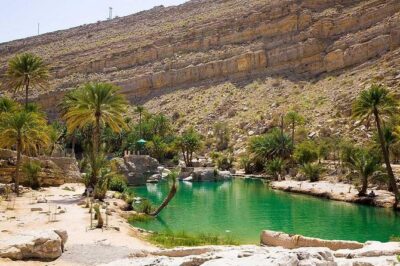
Sunset Desert Safari Salalah Tour in Rub Al Khali – Empty Quarter
Read our review →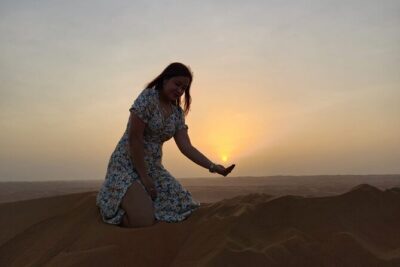

Sunset desert safari tour in Salalah(private tour)
Read our review →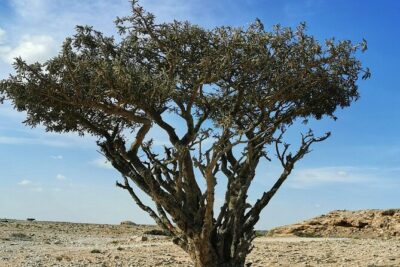
Desert Safari, Sunset & Sand Bashing (Rub Al Khali Desert)
Read our review →Browse the lists this tour appears in