
Reviewed · SALALAH TOURS
East Salalah Tour by VisitSalalah
The best part of this outing is the sharp change of scenery within Dhofar. You move from old coastal Taqa and its castle to mountain roads, Wadi Darbat’s waterfalls, camel-filled meadows, and the ancient frankincense port of Sumhuram. Wadi Darbat is the star, especially during Khareef when water pours down the slopes.
I like the private 4×4 transport, which suits Dhofar’s rough and inclined roads better than a standard sedan. I also like the local focus: an Omani guide such as Mohammed can explain the region, its culture, and its frankincense trade rather than simply point out photo stops.
The main caution is timing. The experience is advertised as four hours, but some itinerary wording describes an eight-hour guided tour, and there are many stops. Confirm the exact schedule before paying, especially if you want time inside Taqa Castle, the heritage house, or the Sumhuram museum.
Key points at a glance
- Wadi Darbat changes with the season: Khareef can bring waterfalls, green growth, lakes, and cave chambers, while the area remains a popular natural stop throughout the year.
- Taqa gives the tour historical depth: The 19th-century castle, old village, Koofan Heritage House, and Burj Al Askar offer different views of Dhofari life.
- Sumhuram connects scenery with trade: The ruined city and museum form part of the UNESCO-listed Land of Frankincense.
- You travel in a small group: Capacity is limited to seven, with a minibus arranged for larger numbers.
- Mohammed has earned strong praise: The guide is described as polite, professional, and fluent in English, though one visitor found the English difficult to understand.
- Extra entry fees matter: Taqa Castle costs OMR 3, Koofan House OMR 1, and Burj Al Askar OMR 1 when you choose to enter.
From Salalah to Ain Razat and the eastern road
Pickup is available from hotels in Salalah, the airport, and the seaport. You should wait in your hotel lobby about 10 minutes before the agreed time, with communication handled by WhatsApp, phone, or email.
The route begins around the eastern side of Salalah, where Ain Razat is described as a collection of natural springs. Some springs run throughout the year, while others appear during Khareef, Dhofar’s monsoon season. The springs are also an important water source for Salalah, so this is more than a quick scenic stop.
I like starting with Ain Razat because it sets up the basic story of Dhofar: water makes the difference here. During the dry period, the region can look much more spare. During Khareef, mountain moisture changes the color and feel of the countryside.
The exact stop order may vary. The tour information also lists Taqa Balcony, a sink hole, baobab trees, and the Antigravity site among its attractions. These are appealing additions, but the supplied details do not give a fixed visit length for each one. If a particular stop matters to you, ask the guide how much time is planned there.
Other days around Salalah and Dhofar:
- East Salalah Mountain Safari, Wadi Darbat, Beach, Camels, Dunes
★ 5.0 · 206 reviews - Salalah: Wadi Darbat, Jabal Samhan, Baobab, Mirbat Sand Dune
★ 4.6 · 178 reviews - Sunset Desert Safari Salalah Tour in Rub Al Khali – Empty Quarter
★ 5.0 · 91 reviews
Taqa old village and its 19th-century castle
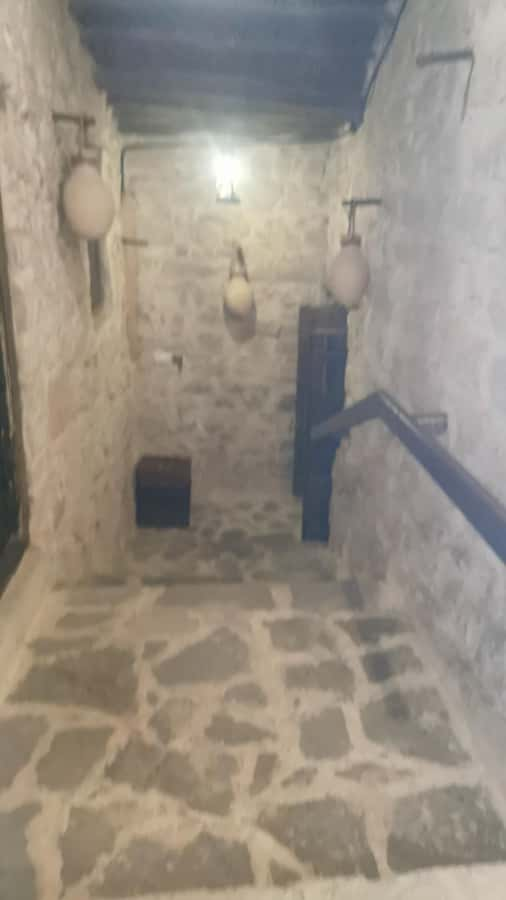
Taqa is where the tour shifts from natural scenery to built heritage. The coastal town has an old village atmosphere, and the main historical stop is Taqa Castle, a 19th-century building that helps explain the local power and domestic life of the area.
You can also choose Koofan Heritage House, a roughly 150-year-old Dhofari house. Its value is different from the castle. A fortress tells you about authority and defense, while an old home gives you a better sense of how people lived.
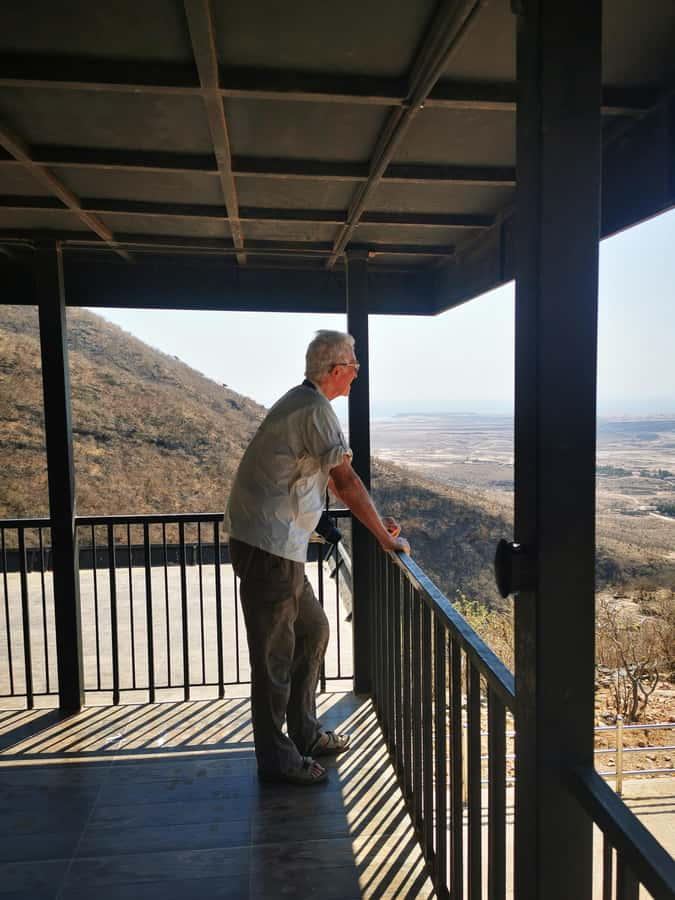
Burj Al Askar sits at the top of a cliff overlooking the castle and coast. The viewpoint should appeal to anyone who wants a broad photograph of Taqa, but remember that it is an optional paid entry rather than part of the included cost.
The entrance charges are:
- Taqa Castle: OMR 3
- Koofan Heritage House: OMR 1
- Burj Al Askar: OMR 1
These fees are paid on site. At the tour price of $160 per person, I would decide in advance which places you want to enter. If the schedule is tight, you may prefer the castle and the coastal view rather than trying to fit all three.
The information describes the transport as a private 4×4 car, which is a sensible choice for the mixed roads ahead. The group limit is seven people. If more than seven book, a minibus is arranged, so ask how that change affects the vehicle and group size before departure.
Wadi Darbat, where Khareef makes the biggest difference
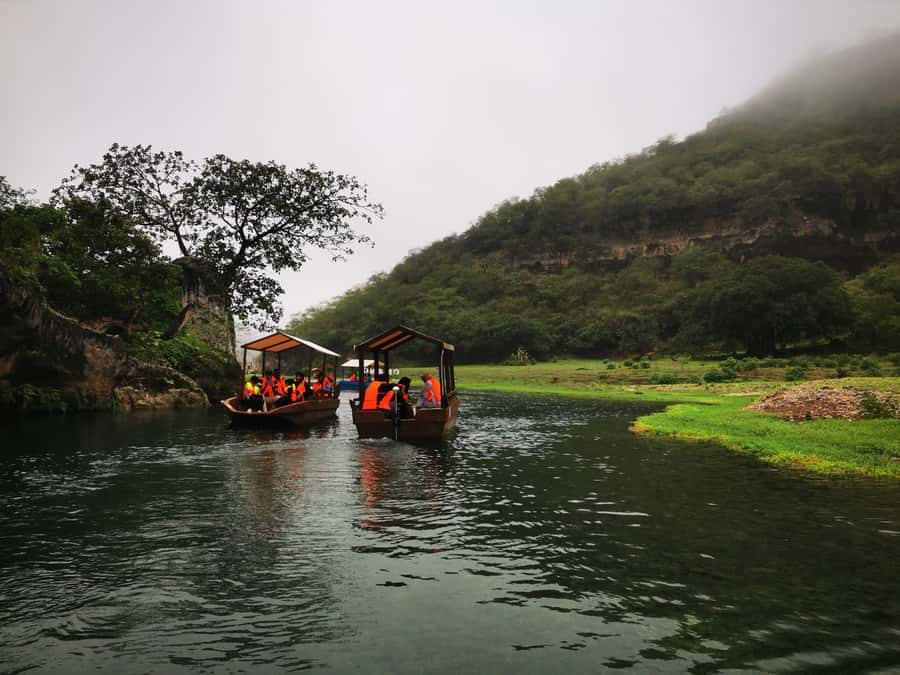
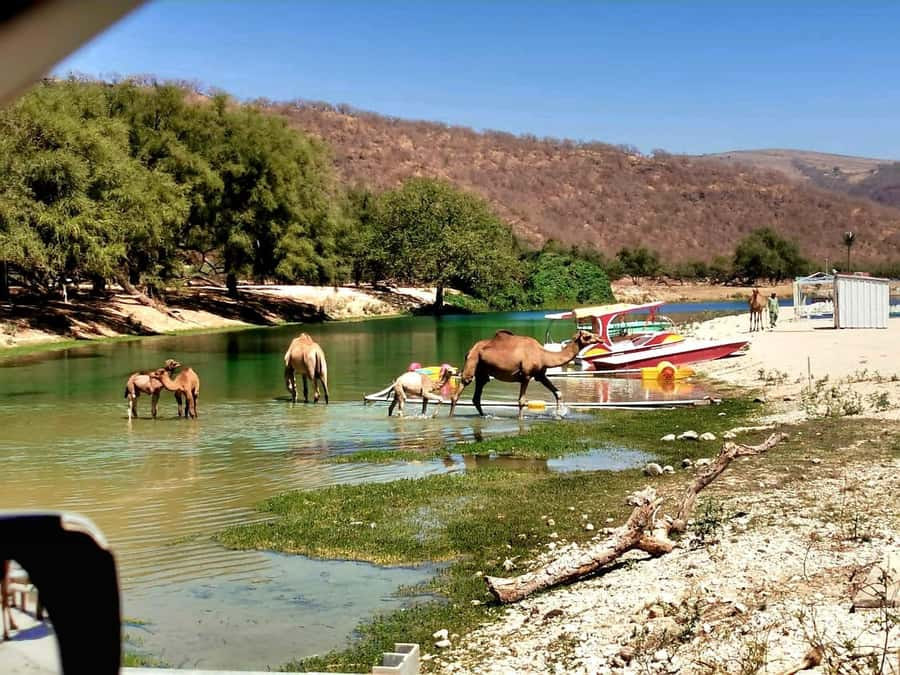
Wadi Darbat is the visual centerpiece. It lies in the mountains above Khor Rori and near the Taqa coast. The area is described as a natural park with mountains, caves, lakes, waterfalls, green growth, picnic space, and large numbers of camels.
Khareef is the key season here. Rain and runoff refill the wadi, and waterfalls can pour from heights of about 30 meters. Cave chambers and pools become more impressive when there is plenty of water. You may also see camels moving through the area, a detail that gives the stop a distinctly Dhofari character.
Outside Khareef, Wadi Darbat can still be worthwhile. The setting, rock formations, views, and animals remain part of the appeal, but you should not book in the dry season expecting the same waterfalls shown in wet-season photographs.
This is also the section where footwear matters most. The tour involves walking over rough and inclined ground. Bring comfortable clothes, sun protection, and shoes that can handle uneven surfaces. The operator advises against large bags, jewelry, and non-folding or electric wheelchairs.
The wadi is not simply a drive-by photo stop. You will want time to look around, and that makes the duration discrepancy especially important. One part of the information says four hours for the whole activity, while another says a guided tour of eight hours. A route containing Ain Razat, Taqa, Wadi Darbat, several viewpoints, and Sumhuram needs a clear timetable.
Sink holes, baobab trees, and the Antigravity site
The route also lists a sink hole, baobab trees, and the Antigravity site. These stops add variety to a day that might otherwise focus only on Taqa and Wadi Darbat.
The names are useful clues, but no detailed descriptions or guaranteed stop lengths are provided. I would treat them as route highlights rather than promises of extended visits. Ask whether each is included on your departure date and how long you can stop.
That small conversation with the guide can make the outing better. If you prefer photographs and natural scenery, you may want more time at the wadi and viewpoints. If history is your priority, you may choose longer visits at Taqa Castle and Sumhuram.
Same base, a different sort of day:
- Muscat: Daymaniat Islands Snorkeling Trip with Brunch
★ 4.7 · 2,317 reviews - From Muscat: Wadi Shab & Bimmah Sinkhole Full-Day Tour
★ 4.8 · 1,862 reviews - Muscat: Wahiba Desert and Wadi Bani Khalid Guided Group Tour
★ 4.8 · 820 reviews - Muscat: Half-Day Sightseeing Essentials Tour and Audio Guide
★ 4.2 · 598 reviews
Khor Rori and the ancient city of Sumhuram
The final major historical stop is Khor Rori, the creek where the ruined city of Sumhuram once operated. Sumhuram was tied to the ancient Arabian frankincense trade, and its archaeological park and museum form part of the UNESCO World Heritage site called the Land of Frankincense.
This is an important reason to choose the east Salalah route instead of a trip focused only on waterfalls. The scenery is memorable, but Sumhuram gives it context. Frankincense was not just a local product. It helped connect southern Arabia with wider trading networks.
You can visit the Sumhuram archaeological area and museum, but museum and landmark entrance charges are not included. The supplied information does not give a specific Sumhuram admission price, so budget for an extra payment and confirm the current fee with the operator.
The stop is also a good test of what you want from the day. If you like ruins and trade history, plan to give Sumhuram proper attention. If you mainly want the wadi and mountain views, ask whether the schedule allows a shorter archaeological visit.
The guide can shape the whole experience
The tour uses a licensed local Omani guide who speaks English and Arabic. Mohammed, also written as Muhammed in the available information, is specifically associated with this experience. He is described as polite, professional, and able to explain the country, local culture, and Dhofar region in detail.
That local connection is one of the strongest reasons to consider a guided trip. You are not only being driven from one view to another. You can ask about Taqa, the frankincense trade, Dhofari homes, Khareef, and the meaning of the places along the road.
There is one practical qualification. One Italian visitor found the guide’s English hard to understand, while German visitors described Mohammed’s English very positively. If clear spoken English is essential for you, contact VisitSalalah in advance and ask who will guide your departure.
The group size also matters. Seven is a comfortable maximum for a 4×4-style outing, since it keeps the vehicle and conversation more manageable. A larger booking may use a minibus, which can feel less personal and may change how easily the group moves between stops.
Is $160 per person good value?
At $160 per person, this is not a cheap short drive. The price needs to cover private 4×4 transport, a licensed local guide, pickup and return, water, and snacks. It also saves you from arranging several east Salalah stops yourself.
The value is strongest if you are staying in Salalah without a rental car, want a local guide, and care about seeing both nature and history in one outing. Airport and seaport pickup can also be useful if your timing fits the schedule.
The value is weaker if you only want Wadi Darbat, or if you dislike a brisk schedule with several photo stops. Entry to Taqa Castle, Koofan House, Burj Al Askar, and other museums or landmarks costs extra. A local Omani lunch can be arranged for an additional OMR 5 per adult.
Bring water protection for your phone, sunscreen, a hat, and your passport or ID. Alcohol, drugs, alcoholic drinks in the vehicle, fire-making, loud behavior, military-style clothing, and large luggage are not allowed. Pregnant people, wheelchair users, and people over 95 are listed as unsuitable for this activity.
Free cancellation is available up to 24 hours before departure, and you can reserve now and pay later. Those terms are useful if your Salalah plans may change, but they do not remove the need to check the four-hour versus eight-hour timing.
Who should book this east Salalah tour?
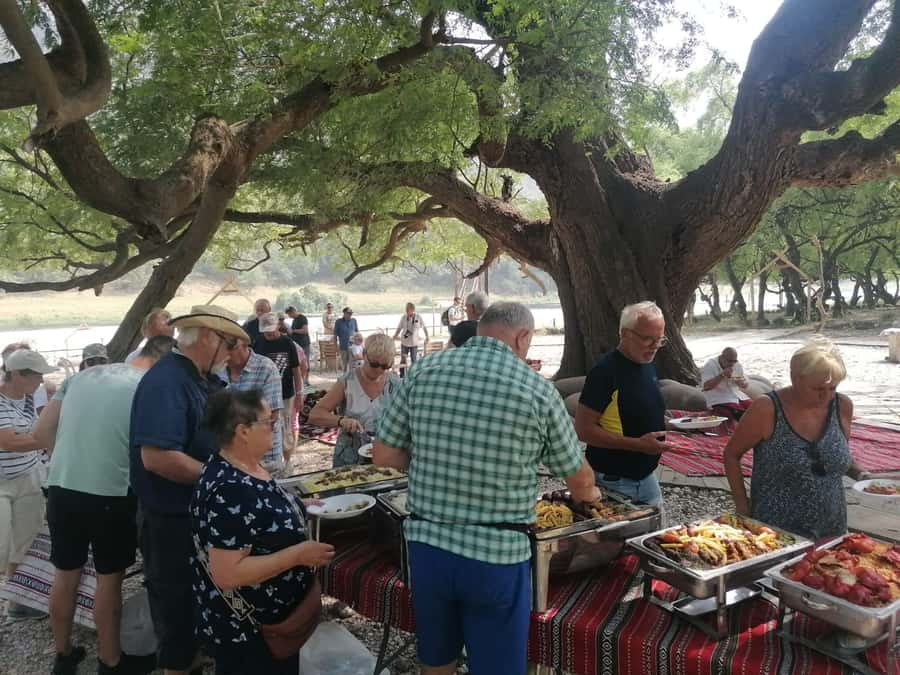
I would recommend it to you if this is your first time in Dhofar and you want a wide sample of the region in one guided outing. It suits people who like natural scenery, old buildings, archaeological sites, and the chance to ask a local guide questions along the way.
It is especially attractive during Khareef, when Wadi Darbat’s water and greenery can be at their best. Still, the route has value outside the monsoon season because Taqa, Sumhuram, the coast, camels, and the mountain setting remain part of the day.
I would hesitate if you need wheelchair access, are pregnant, plan to bring large luggage, or want a slow visit with long stops at every site. I would also confirm the language arrangement if you depend on detailed English explanations.
Book it if you want variety and local guidance more than complete control over your schedule. Before confirming, ask VisitSalalah to settle the duration, the exact stops, the Sumhuram admission fee, and whether your departure will use a private 4×4 or a minibus. Those answers will tell you if the $160 price fits your plans.
FAQ
How long does the East Salalah Tour take?
The activity information gives a duration of four hours, but another part describes an eight-hour guided tour. Confirm the exact duration with VisitSalalah before booking because the route includes several stops.
What is included in the price?
The price includes private 4×4 transport, a licensed local Omani English-speaking guide, pickup and return from a Salalah hotel, airport, or seaport, plus snacks and water.
Are entrance fees included?
No. Museum and landmark entrance fees are not included. Taqa Castle costs OMR 3, Koofan Heritage House costs OMR 1, and Burj Al Askar costs OMR 1. These visits are optional.
How many people can join the tour?
The normal maximum is seven participants. If more than seven people book, a minibus is arranged.
Can I arrange lunch?
Yes. A local Omani lunch can be provided for an additional OMR 5 per adult.
What should I bring?
Bring your passport or required visa, a hat, sunscreen, and comfortable clothing for walking on rough and inclined ground. Large bags are not allowed.
Just added in Oman
- Wadi Shab & Wadi Tiwi : Guided Adventure (Customer Own Car)★ 5.0 · 6 reviews
- Wahiba Sands and Wadi Bani Khalid Full-Day Tour from Muscat★ 4.6 · 3 reviews
- West of Salalah private tour – fascinating mountains and beaches★ 5.0 · 9 reviews
- Try scuba Diving Tours To Daymaniyat Islands.★ 5.0 · 12 reviews
- Wadi Shab &Bimmah Sinkhole &Heart shaped Cave &Pebble Beach★ 5.0 · 5 reviews
- West Salalah Tour by VisitSalalah★ 5.0 · 6 reviews
- West Salalah Beaches and Blowholes★ 5.0 · 7 reviews
- Private tour – Empty Quarter desert adventure – Wadi Dawka + Ubar★ 5.0 · 5 reviews
Salalah Tours, compared.
East Salalah Mountain Safari, Wadi Darbat, Beach, Camels, Dunes
Read our review →
Sunset Desert Safari Salalah Tour in Rub Al Khali – Empty Quarter
Read our review →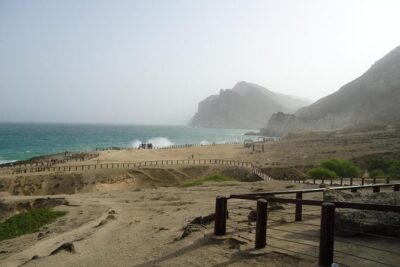
West Salalah Tour – Caribbean of Orient – Fazayah Beach with City
Read our review →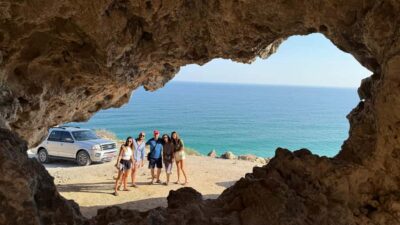
West Salalah: Caribbean of the Orient Fazayah Beaches & City
Read our review →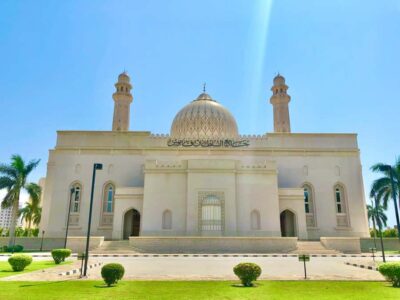
Salalah City Tour: Discover the Best of Oman’s Coastal Gem
Read our review →
Sunset desert safari tour in Salalah(private tour)
Read our review →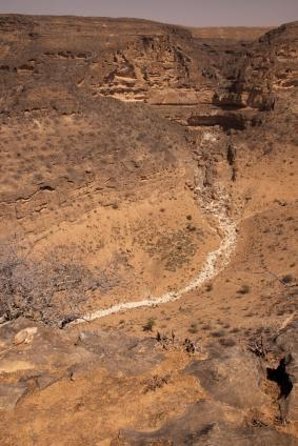
East & West Salalah Combination Tour – Darbat Waterfall, Mughsail
Read our review →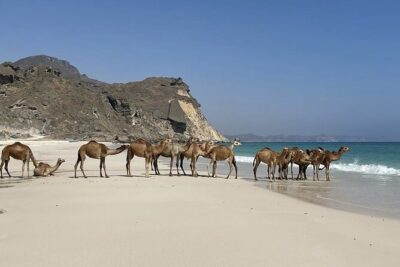
Browse the lists this tour appears in